Skip to content

Electric Shocks | Electrical Engineering Tutorials

Practical Electrical Guide and Industrial Solutions

  • Home
  • Blog
    • Electrical Engineering
    • Electronics Engineering
    • Electrical Installation
    • Solar Energy
    • MCQs
    • Books
  • Graph Plotter
  • Calculators
  • Services
    • Forum
    • Other Services

Electronics Engineering

Electronics engineering plays a central role in modern electrical systems, automation, communication, and control technologies. This category provides practical tutorials and concept-driven articles designed to explain electronic components, devices, and circuit applications in a clear and structured manner.

You will find detailed explanations of semiconductors, diodes, transistors, amplifiers, digital circuits, and real-world electronic applications. Each article is written to bridge the gap between theory and practical implementation, helping students and professionals understand how electronic systems function in real environments.

For foundational knowledge of electronics engineering, review our Circuit Analysis section to understand current and voltage behavior within circuits. You can also assess your electronics knowledge using our MCQs & Practice Tests.

This category supports learners aiming to build strong fundamentals while also exploring advanced electronics topics relevant to industry and academic research.

Forward Bias Diode and Reverse Bias Diode Characteristic Graph

February 28, 2026December 25, 2018 by
forward bias and Reverse bias of diode

A diode can be connected in forward and reverse bias with a source. In Forward bias connection, a diode conducts current like a closed switch. Where in reverse bias, a diode blocks current like an open switch.

Categories Electronics Engineering Tags diode, Electronic Devices, Power Electronics, Voltage Source 4 Comments

Depletion Region formation in PN Junction diode

August 7, 2025December 9, 2018 by
PN Junction Diode

At the time of developing the PN junction diode, the depletion region is formed. Where free electrons and hole cross the conjunction between P- and N-region and recombine.

Categories Electronics Engineering Tags diode

Differentiate Intrinsic & Extrinsic Semiconductors: P-Type & N-Type

February 25, 2026November 17, 2018 by Gul Faraz

A semiconductor is a type of electrical material, which is used in electronic devices like PN junction diode, transistor and many more a replacement for a vacuum tube. The semiconductor can be intrinsic or extrinsic, where extrinsic has N-type and P-type.

Categories Electronics Engineering Tags Electronic Devices, Fundamental of electrical engineering, Power Electronics 1 Comment

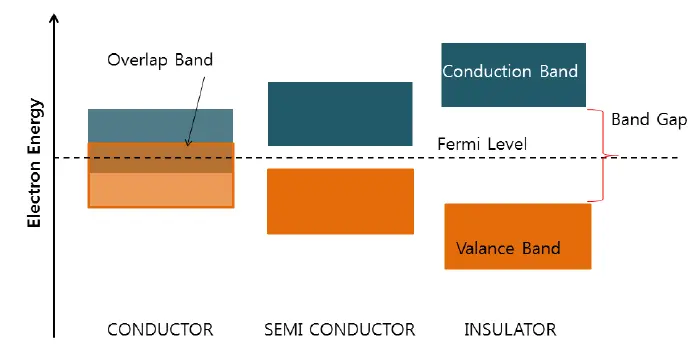
Differentiate Electrical Conductor, Semiconductor and Insulator

February 25, 2026October 11, 2018 by Gul Faraz
Conductance Shell and Valance Shell

Based on electrical resistivity, a material can be divided into three types: conductor, insulator, and semiconductor.

Categories Electronics Engineering Tags Electronic Devices, Resistors

Capacitance Formula Calculator: Capacitor Energy Storage

October 26, 2026July 21, 2018 by Gul Faraz
Capacitor and capacitance introduction and working

The most commonly used electronic component “Capacitor” is a passive element, which stores energy for a short duration. Capacitance is the indication of the ability to store energy, measured in Farads.

Categories Electronics Engineering Tags capacitor, Electrical Engineering Calculators

Resistor Color Codes Calculator and Calculate Resistor Color Code Manually

October 26, 2026July 14, 2018 by Gul Faraz
resistor color coding system

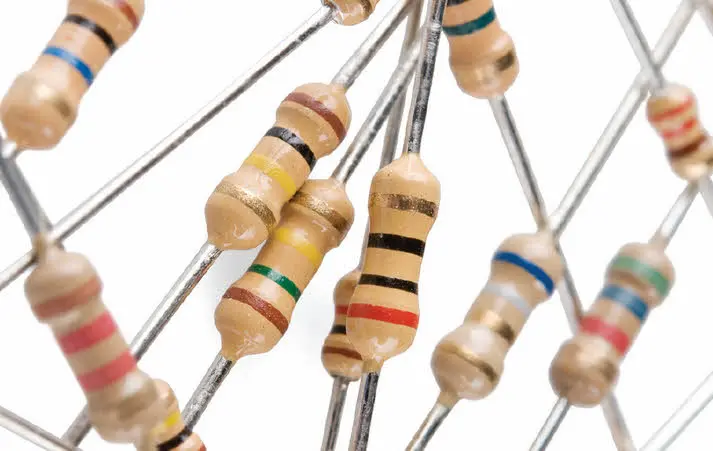
Resistor color coding is the system for representing the rating of the component by marking different color bands over the packing. It is also used for capacitor, inductor, and diode but most commonly for resistors.

Categories Electronics Engineering Tags Electrical Engineering Calculators, Resistors

Explain: What is Resistor and Different Types of Resistors

August 8, 2025July 6, 2018 by Gul Faraz
Explain What is Resistor and Types of Resistors; Types of resistors

A resistor is a passive circuit element which decreases the current flow and/or drops the voltage on purpose. There are two common types of resistor; fixed and variable resistors.

Categories Electronics Engineering Tags Resistors
Newer posts
← Previous Page1 … Page8 Page9

What are you looking for?

You may like to know

  • Off-Grid Solar System: A Complete Guide for Your Home
  • A Guide to Sourcing Cable Ties for Electrical and Industrial Setups
  • Circuit Breaker Keeps Tripping: Causes and How to Fix It
  • Solar Panel Roof Calculator: How Many Solar Panels Can Fit on Your Roof?
  • The Quickest and Easiest Way to Save Money on Energy Bills
  • What Is the Best Way for a VFD to Make Money?
  • What Are the Best Digital Linear Bench Power Supplies?
  • Energy Bill Calculator: How Energy Bills Are Calculated
  • Electrical Panel Upgrade: 10 Signs Your Home May Need One
  • Charging EV: A Beginner’s Guide to Electric Vehicle Ownership
© 2026 Electric Shocks | Electrical Engineering Tutorials • Built with GeneratePress