Circuit Analysis
Circuit analysis is one of the most fundamental subjects in electrical engineering. Understanding how electrical circuits behave under different conditions is essential before designing, installing, or troubleshooting any system. This category covers core principles, theorems, and practical problem-solving techniques used in analyzing electrical networks.
Topics include Ohm’s Law, Kirchhoff’s Laws, network theorems, AC and DC circuit analysis, transient behavior, and practical example-based solutions. Each tutorial is structured to build step-by-step understanding, making it suitable for students as well as practicing engineers who want to strengthen their analytical skills.
To expand your knowledge, explore related Electronics Engineering tutorials for component-level understanding. You can also test your problem-solving skills through our MCQs & Practice Tests section.
Mastering circuit analysis provides the technical foundation needed for advanced subjects such as power systems, electronics, and industrial installations.

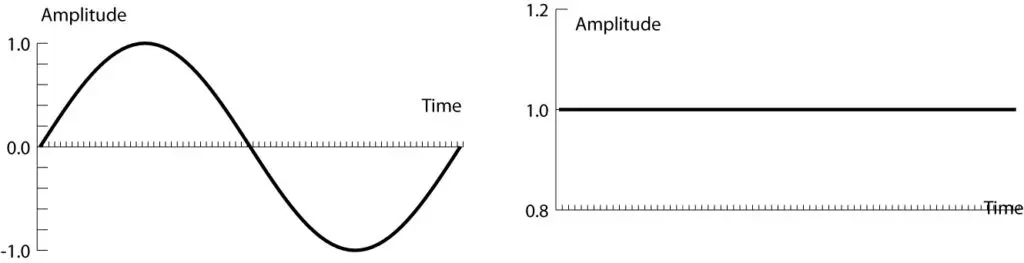

The Voltage across the Inductor: Energy Stored in Inductor
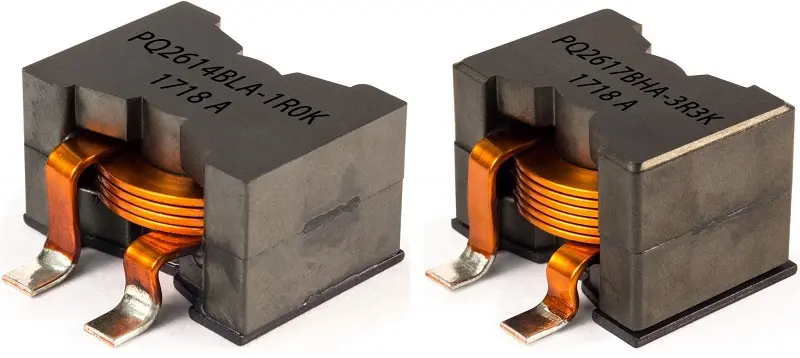
An inductor is a passive circuit element that stores energy in the form of a magnetic field. Inductors are made of wrapped conducting wires or coils, to enhance the effectiveness of the inductor number of turns is increased. The inductance of an inductor increases with the number of turns. An inductor is not anticipated to … Read more