The article will focus on how a variable frequency drive (VFD) can reduce electricity costs by controlling motor speed according to the actual load demand. The key is to explain when a VFD saves energy, how much savings may be possible, and when installation costs might outweigh the benefits.
I’ll retain your main keyword, “what is the best way for a VFD to make money,” while making the content clear that the money comes from energy savings and lower operating costs, not from working with or selling VFDs.
How Does a VFD Save Energy?
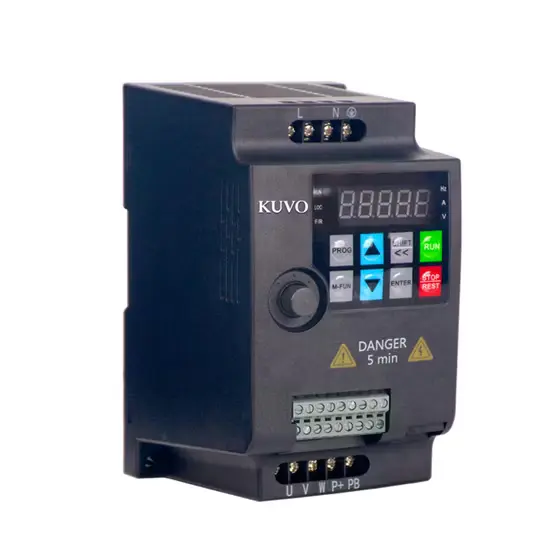
A variable frequency drive controls an AC motor’s speed by adjusting the frequency and voltage supplied to it. Instead of running a motor at full speed all the time, a VFD can slow it down when the process requires less airflow, water flow, or mechanical output.
This is especially useful for centrifugal pumps, ventilation fans, blowers, and HVAC systems. In many of these applications, the motor does not need to operate at full speed throughout the day. A VFD can match motor speed to demand and reduce wasted energy.
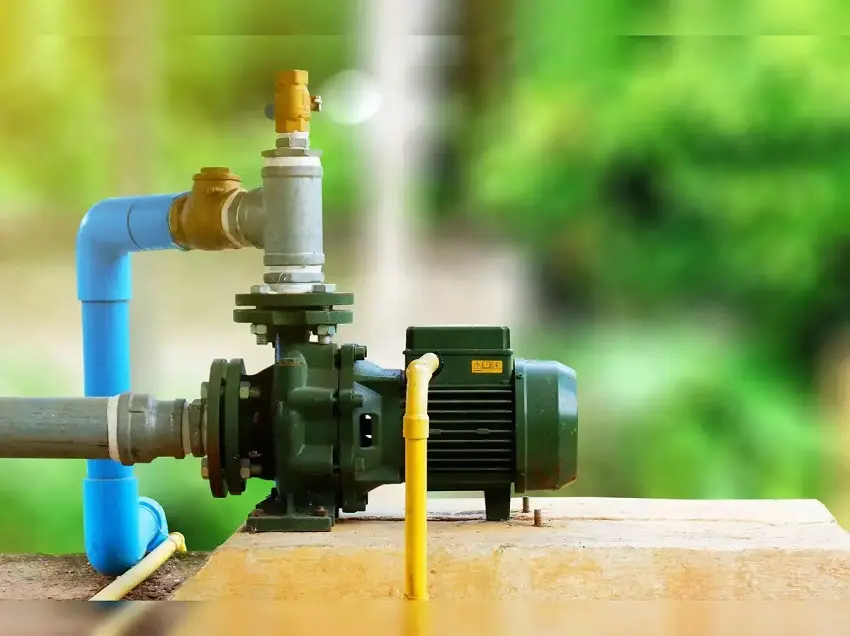
For example, imagine a water pump that runs at full speed even when only half of its maximum flow is needed. If the system uses a valve to restrict the water, the pump may continue consuming considerable power. A properly selected VFD can reduce pump speed instead, so the motor uses less power to deliver the required flow.
The actual savings depend on the pump, system pressure, operating schedule, and required output. A VFD is not guaranteed to save money in every motor application.
The Best Way for a VFD to Save Money
The best approach is to install a VFD on a motor that frequently operates below full demand and then configure it to match the actual process requirements.
1. Use VFDs on centrifugal pumps
Water supply systems, irrigation pumps, cooling-water systems, and industrial circulation pumps can be good candidates for VFD control.
When water demand changes throughout the day, a VFD can adjust motor speed to maintain the required pressure or flow. This can reduce the energy wasted by running at full speed and controlling the flow through a throttling valve.
However, systems with high static lift or a constant full-flow requirement may offer less savings. A proper system assessment is important before buying a drive.
2. Control fan speed in HVAC systems
Fans used for ventilation, air conditioning, exhaust systems, and cooling towers often run for many hours. Their required airflow may change with temperature, occupancy, or production demand.
A VFD can slow a fan when full airflow is unnecessary. For centrifugal fans, the power required can fall sharply as speed decreases, making them promising candidates for energy-saving upgrades.
3. Replace inefficient throttling with speed control
Some systems use valves, dampers, or bypass arrangements to control output while keeping the motor running at full speed.
Where the process permits, a VFD may control output by reducing motor speed instead. This can avoid wasting energy by producing more flow or pressure than the process actually needs.
Before changing the control method, make sure the equipment can safely operate at the proposed speed and still meet the process requirements.
4. Avoid unnecessary full-speed operation
A VFD can be programmed to respond to a pressure sensor, flow sensor, temperature controller, or another suitable feedback signal. The drive then adjusts the motor speed as demand changes.
For example, a pressure-controlled water pump can slow down when demand drops and speed up when more water is required. Proper control settings help prevent the motor from running faster than necessary.
How Much Energy Can a VFD Save?
For centrifugal pumps and fans, a useful engineering rule is the affinity law: under suitable conditions, power varies approximately with the cube of motor speed.
Here, P1 is the original power, P2 is the estimated power at the reduced speed, N1 is the original speed, and N2 is the new speed.
For example, reducing the speed to 80% gives the following theoretical power estimate:
That means the load could require about 51.2% of its original power, representing a theoretical reduction of approximately 48.8%.
This is an estimate for a suitable variable-torque application, not a guarantee for every pump or fan. Real results depend on system resistance, static pressure, motor and drive efficiency, and the actual operating point. Natural Resources Canada+1
Do VFDs Save Money? A Practical Cost Example
Yes, VFDs can save money when they reduce the electricity consumed by a motor-driven system enough to cover the cost of the drive and installation. To estimate the benefit, compare energy consumption before and after the upgrade.
Suppose an industrial fan uses an average of 10 kW and operates for 12 hours per day, 300 days per year. Assume a VFD reduces its average power demand by 30% under the actual operating conditions.
| Item | Calculation | Result |
|---|---|---|
| Annual energy before | 10 kW × 12 h × 300 days | 36,000 kWh |
| Estimated annual energy saved | 36,000 × 30% | 10,800 kWh |
| Example electricity rate | Assumed rate | $0.15/kWh |
| Estimated annual cost saving | 10,800 × $0.15 | $1,620 |
These figures are illustrative, not a prediction for every installation. Use your actual electricity tariff and measured or estimated operating conditions to calculate your own savings.
Calculate the VFD payback period
The payback period tells you how long it takes for energy savings to recover the initial investment.
If the drive and installation cost $2,400 and annual energy savings are $1,620, the simple payback period is approximately 1.48 years, or about 18 months.
This calculation does not include financing costs, maintenance, changes in energy prices, or any additional demand-charge savings. It also assumes the estimated savings continue each year.
Which Motors Benefit Most From a VFD?
Not every motor is an equally good candidate. The strongest opportunities often involve equipment that runs for long periods while its output requirements change.
Centrifugal pumps
Good candidates when water flow or pressure varies and the existing system relies on throttling or bypass control.
Fans and blowers
Often suitable when airflow demand changes and the fan currently runs at full speed for much of its operating time.
HVAC and cooling systems
May benefit when fan or pump speed can follow cooling demand, temperature, or system pressure.
Conveyors and production machinery
A VFD can improve speed control and process performance, but energy savings depend on the torque requirements and production cycle.
For constant-torque applications, such as many conveyors, reducing speed does not usually produce the same cubic reduction in power as a centrifugal fan or pump. The expected savings should be calculated from the actual load characteristics.
When Does a VFD Not Save Much Money?
A VFD may not be cost-effective if a motor always needs to operate at full speed, runs only for short periods, or already uses an efficient speed-control method.
Other factors to consider include:
- Drive losses: A VFD consumes some energy, so its own efficiency must be included in the calculation.
- Motor cooling: Running a standard motor slowly can reduce cooling airflow. Check the motor’s suitability for variable-speed operation.
- Minimum speed and torque: The motor must still deliver enough torque and maintain safe operation at the selected speed.
- System requirements: Slowing a pump or fan too much may fail to provide the required pressure, flow, ventilation, or cooling.
- Installation costs: The drive may require electrical protection, wiring changes, sensors, enclosures, or other modifications.
A VFD should be selected based on the motor, driven equipment, and operating conditions rather than simply choosing a drive with a matching power rating. For more technical guidance, consult Natural Resources Canada’s guide to variable frequency drives.
How to Decide Whether a VFD Is Worth the Investment
Before installing a VFD to reduce energy costs, follow these steps:
- Record the motor’s power consumption during normal operation.
- Determine how many hours it runs each day and how often it operates below full capacity.
- Identify whether output is controlled by a valve, damper, bypass, or another method.
- Estimate the energy consumption achievable with suitable speed control.
- Include the drive’s purchase price, installation, required sensors, and maintenance in your cost analysis.
- Calculate the annual savings and simple payback period before making a decision.
For larger industrial motors, a professional energy assessment can help prevent unrealistic savings estimates. Where possible, use measured power data across different operating conditions instead of relying only on the motor nameplate rating.
Conclusion
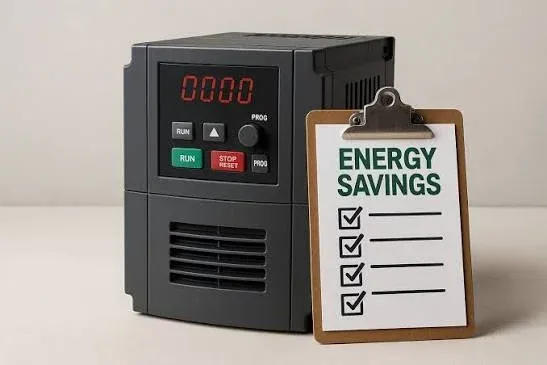
The best way for a VFD to make money is to reduce the energy costs of the motor-driven equipment it controls. By matching motor speed to actual demand, a VFD can reduce electricity consumption in suitable applications, especially centrifugal pumps, fans, blowers, and HVAC systems.
Do VFDs save money? Yes, they can, but the result depends on the load, operating hours, electricity tariff, and installation cost. The smartest approach is to measure the existing system, estimate realistic savings, and calculate the payback period before investing.
A correctly selected and configured VFD can do more than lower electricity bills. It can also improve process control, reduce mechanical stress, and help equipment operate more efficiently over time.
FAQs
Do VFDs save money on electricity bills?
Yes. VFDs can reduce electricity costs when they allow motors to run at lower speeds during periods of reduced demand. The greatest savings often occur in variable-torque applications such as centrifugal pumps and fans.
How much electricity can a VFD save?
Savings vary by application. Under suitable conditions, reducing a centrifugal pump or fan to 80% speed can theoretically reduce its power demand by about 48.8%. Actual savings depend on system characteristics and operating conditions.
How long does it take for a VFD to pay for itself?
The payback period depends on the installed cost and annual savings. Divide the total installed cost by the annual net savings to estimate the simple payback period. A detailed assessment should also consider maintenance, drive losses, and any changes in electricity tariffs.