A solar panel roof calculator helps homeowners estimate how many solar panels can be installed on their rooftops. Before investing in a solar system, it is important to understand the available roof space, panel dimensions, roof orientation, shading, and installation requirements. These factors determine not only how many panels will fit but also how effectively they can produce electricity.
If you are wondering, “How many solar panels will fit on my roof?”, simply measuring the total roof area is not enough. Some sections may be unsuitable because of chimneys, water tanks, vents, nearby buildings, or required maintenance pathways. The direction and slope of your roof can also affect the best panel arrangement.
This guide explains the important factors to consider when planning a rooftop solar installation and how to choose a layout that makes the best use of your available space.
What Is a Solar Panel Roof Calculator?
A solar panel roof calculator is a planning tool that estimates the number of solar panels that can fit on a roof based on its usable dimensions and the size of the selected panels.
A basic calculator uses three main measurements:
- Usable roof length
- Usable roof width
- Solar panel length and width
It may also consider roof orientation, shading, setbacks, obstacles, and panel spacing to provide a more realistic estimate.
For example, if a roof has 400 square feet of usable space and each solar panel occupies approximately 22 square feet, a simple area calculation gives:
This suggests that approximately 18 panels might fit based on area alone. However, the actual number may be lower because of roof edges, access requirements, obstacles, and the panel arrangement.
A more useful calculator considers the physical layout rather than relying only on total square footage.
How Many Solar Panels Will Fit on My Roof Calculator?
To estimate how many solar panels can fit on your roof, you first need to identify the usable roof area and select a panel size.
The following formula provides a basic estimate:
For example, assume you have a rectangular roof section measuring 20 feet by 30 feet.
Total roof area:
Suppose each solar panel measures 6.5 feet by 3.5 feet.
Panel area:
Estimated number of panels:
Although the calculation suggests approximately 26 panels, this is only an area-based estimate. The real layout may accommodate fewer panels because of panel orientation, roof boundaries, shading, and installation clearances.
Factors That Affect How Many Solar Panels Fit on Your Roof
Several factors determine the number of solar panels that can be installed safely and effectively.
1. Available Roof Area
Roof size is the first factor to consider. A larger roof generally provides more installation space, but the entire surface may not be suitable for solar panels.
Measure the roof sections that receive sufficient sunlight and identify areas occupied by:
- Chimneys and ventilation outlets
- Water tanks and rooftop equipment
- Skylights and windows
- Satellite dishes
- Roof access points
- Existing solar water heaters
You should also account for the space required around roof edges and other obstacles. Measuring each usable roof section separately will provide a better estimate than using the building's overall dimensions.
2. Solar Panel Dimensions
Solar panels come in different sizes depending on their power rating, cell arrangement, and manufacturer.
For example, a typical residential panel may measure approximately 6.5 feet by 3.5 feet, although actual dimensions vary.
Larger panels can produce more power per unit, but they may be harder to arrange around narrow roof sections or obstacles.
Before calculating the panel count, obtain the exact dimensions from the manufacturer's datasheet. Do not assume that all 500-watt or 550-watt panels have identical measurements.
3. Roof Orientation and Direction
Roof orientation determines the direction in which solar panels face. It affects sunlight exposure and energy production throughout the day.
In the Northern Hemisphere, including Pakistan, south-facing panels generally receive strong sunlight over the year. However, east-facing and west-facing arrangements can also be useful depending on household electricity consumption and available roof space.
Consider these general options:
- South-facing: Often provides strong annual energy production in the Northern Hemisphere.
- East-facing: Produces more electricity during the morning.
- West-facing: Can produce more electricity during the afternoon.
- North-facing: Usually receives less direct sunlight in the Northern Hemisphere, so it may be less productive depending on roof slope and local conditions.
The best orientation is not always the one that produces the highest annual energy. If your household uses more electricity in the afternoon, a west-facing arrangement may better match your consumption pattern.
4. Roof Tilt and Slope
Roof tilt is the angle between the roof surface and the horizontal ground. It affects how sunlight reaches the solar panels and can influence the mounting arrangement.
There are two common roof types:
- Flat roofs: Panels can be installed using mounting structures that provide the desired tilt and direction. However, row spacing is important to prevent one row from shading another.
- Sloped roofs: Panels are usually mounted parallel to the roof surface. The existing roof slope influences their orientation and installation angle.
On flat roofs, increasing the panel tilt may improve sunlight exposure, but it can also require more space between rows. This means fewer panels may fit on the same roof.
5. Shading From Nearby Objects
Shading is one of the most important factors in rooftop solar planning. Trees, buildings, walls, antennas, and water tanks can block sunlight from reaching the panels.
Even partial shading can reduce the output of a solar array, depending on its electrical configuration and the equipment used.
Before deciding on the layout:
- Observe the roof at different times of the day.
- Identify nearby trees and buildings that may create shadows.
- Check for objects that cast long shadows during winter.
- Consider future tree growth and nearby construction.
- Avoid placing panels in areas that remain heavily shaded.
A roof section with slightly less space but better sunlight exposure may produce more useful electricity than a larger shaded section.
6. Panel Orientation: Portrait or Landscape?
Solar panels can generally be installed in two physical orientations.
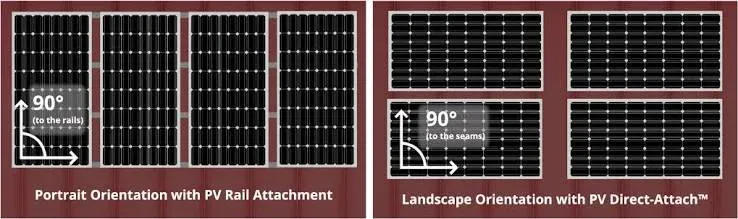
Portrait orientation: The longer side of the panel runs perpendicular to the roof's lower edge in a typical arrangement. This can work well on some narrow roof sections.
Landscape orientation: The longer side runs parallel to the roof's lower edge. This may be useful on wide but shallow roof sections.
Neither arrangement is always better. The best option depends on the roof dimensions, mounting rail system, wind loads, panel clamps, and obstacles.
A useful approach is to calculate both arrangements and compare the number of panels that fit. Also confirm that the mounting manufacturer permits the selected clamping zones and orientation.
7. Roof Setbacks and Maintenance Space
You should never plan to cover every available inch of your roof with solar panels.
Installations may require clearances around roof edges, access points, fire-safety routes, and equipment. The exact requirements depend on local building regulations, fire codes, roof type, and the installation design.
Maintenance access is also important. Technicians may need space to inspect panels, clean them, access wiring, and repair roof equipment.
A layout that leaves appropriate access space is usually more practical than one that simply maximizes panel count.
8. Roof Strength and Structural Condition
Before installing solar panels, make sure the roof can support the additional weight of the panels, mounting structures, and other equipment.
Older roofs, damaged structures, and buildings with water leakage may need inspection before installation.
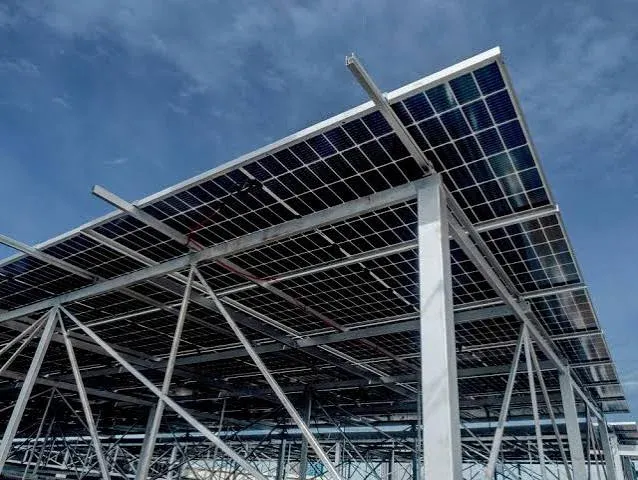
Wind uplift and mounting strength are also important. Solar panels must be secured using a mounting system designed for the roof material and local wind conditions.
If you are unsure about the roof's structural capacity, consult a qualified structural professional before proceeding.
How to Choose the Best Solar Panel Layout
Once you understand the factors affecting panel placement, compare different layouts instead of choosing the first arrangement that fits.
For a simple rectangular roof, follow this process:
- Measure the usable roof length and width.
- Note all obstacles, roof edges, and access areas.
- Obtain the exact panel dimensions.
- Calculate the number of panels in portrait orientation.
- Repeat the calculation in landscape orientation.
- Check shading, roof slope, and orientation.
- Confirm installation clearances and structural requirements.
For more complex roofs, divide the roof into separate sections and calculate each section independently. Avoid counting areas that overlap with obstacles or cannot safely accommodate mounting structures.
The final layout should balance panel count, sunlight exposure, energy production, safety, and maintenance access.
Why Maximum Panel Count Is Not Always the Best Choice
A common mistake is trying to install as many solar panels as possible without considering their performance.
For example, a roof may physically accommodate 20 panels, but some might face an unfavourable direction or receive significant shade. A carefully arranged system with 16 panels may produce more useful electricity than a poorly positioned 20-panel system.
You should also consider your household's electricity consumption. A larger system may cost more than necessary if it produces substantially more electricity than you can use or export under your utility's rules.
For additional guidance on rooftop solar planning, consult the U.S. Department of Energy's Homeowner's Guide to Going Solar.
Conclusion
A solar panel roof calculator is a useful starting point for homeowners planning a rooftop solar installation. It helps estimate how many panels can fit, but the final number depends on much more than roof size.
Panel dimensions, roof orientation, tilt, shading, obstacles, installation clearances, and structural strength all affect the available space and the quality of the installation.
Before choosing a layout, compare portrait and landscape arrangements, identify the best sunlight exposure, and leave sufficient room for maintenance and safety. Remember that installing the maximum number of panels does not always produce the best results. A well-planned layout can deliver better energy production, safer installation, and more effective use of your rooftop.
FAQs
How many solar panels can fit on an average roof?
The number depends on the usable roof area and panel dimensions. A roof with 400 square feet of usable space might accommodate approximately 15–18 typical residential panels, but the actual number depends on layout, obstacles, and required clearances.
Is portrait or landscape orientation better for rooftop solar panels?
Neither orientation is universally better. Portrait may suit narrow roof sections, while landscape may work better on wider sections. Compare both arrangements using the actual panel dimensions and mounting requirements.
Which direction should solar panels face on a roof?
In the Northern Hemisphere, south-facing panels generally provide strong annual energy production. East-facing and west-facing panels can also be useful, depending on roof conditions and when electricity is consumed.