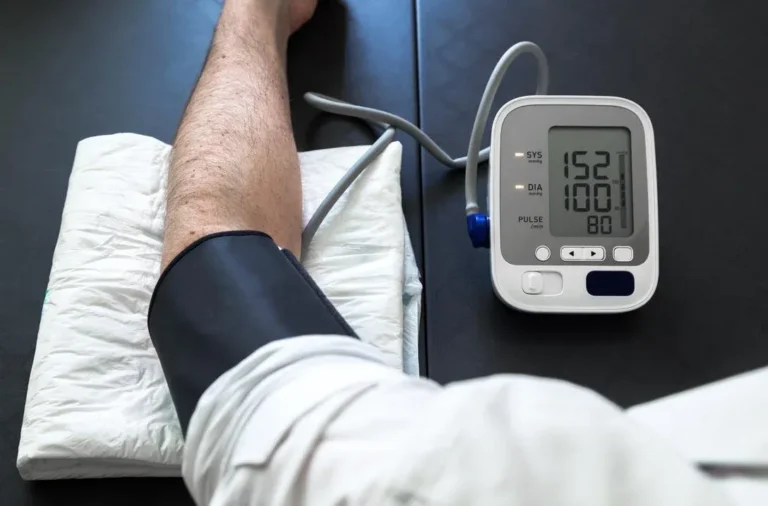
The rise of wearable electronics has transformed how people interact with technology in everyday life. From fitness trackers and smartwatches to advanced medical devices, wearable technology is becoming a natural extension of the human body. These compact electronic systems are designed to be worn comfortably while delivering real-time data, improving health monitoring, and enhancing convenience. As innovation continues, wearable electronics are shaping a smarter and more connected future.
What Are Wearable Electronics
Wearable electronics are electronic devices that can be worn on the body as accessories, clothing, or implants. Unlike traditional gadgets, these devices are designed to operate seamlessly with daily activities. They often include sensors, microcontrollers, wireless communication modules, and power systems, all integrated into a compact form.
- Charging EV: A Beginner’s Guide to Electric Vehicle Ownership
- 3D Scanning in Industrial Inspection and Engineering Applications
Common examples include:
- Smartwatches that track steps, heart rate, and notifications
- Fitness bands that monitor physical activity and sleep patterns
- Smart glasses that display information in real time
- Health monitoring devices for patients with chronic conditions
These devices combine hardware and software to collect and process data, making them valuable tools in both personal and professional environments.
Key Components of Wearable Electronics
To understand how wearable PCBs function, it is important to look at their core components.
Sensors are the most critical part. They collect data such as motion, temperature, heart rate, and environmental conditions. Without sensors, wearable devices would not be able to provide meaningful insights.
Microcontrollers act as the brain of the device. They process data collected by sensors and execute programmed functions. Modern microcontrollers are designed to consume very low power, which is essential for wearable devices.
Wireless communication modules, such as Bluetooth or Wi-Fi, allow the device to connect with smartphones or cloud systems. This connectivity enables real-time data sharing and remote monitoring.
Power systems, usually in the form of rechargeable batteries, are designed to be lightweight and long-lasting. Efficient power management is a major challenge in wearable electronics.
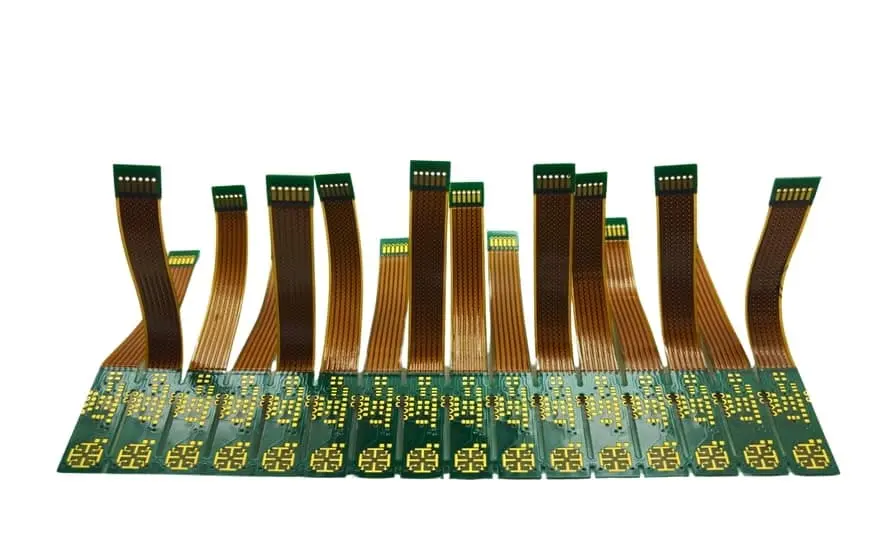
Another important aspect is the circuit design. Due to the compact and flexible nature of wearable devices, manufacturers often rely on advanced solutions from a rigid-Flex PCB manufacturer. These hybrid circuit boards combine the strength of rigid boards with the flexibility needed for wearable designs, allowing devices to fit comfortably on the human body without compromising performance.
Applications of Wearable Electronics
Wearable electronics are widely used across multiple industries, making them one of the fastest-growing technology sectors.
In healthcare, wearable devices monitor vital signs such as heart rate, oxygen levels, and physical activity. Doctors can use this data to track patient health remotely and detect early signs of medical conditions.
In fitness and sports, athletes rely on wearable devices to measure performance, track workouts, and optimize training routines. These devices provide insights that were once only available through professional equipment.
In industrial environments, wearable electronics improve worker safety. Devices can monitor fatigue levels, detect hazardous conditions, and provide alerts in real time.
In consumer electronics, smartwatches and wearable gadgets enhance daily life by offering features like notifications, navigation, and contactless payments.
Benefits of Wearable Electronics
The growing popularity of wearable electronics is driven by the benefits they offer.
One major advantage is convenience. Users can access important information without needing to carry additional devices. Everything is available on their wrist or integrated into clothing.
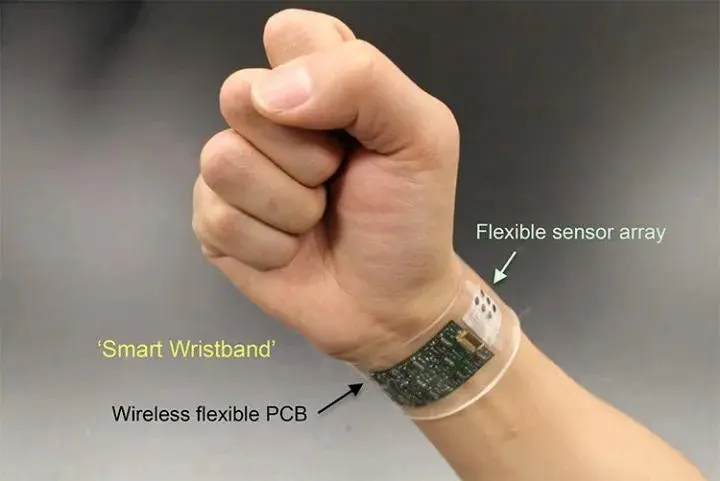
Another benefit is real-time monitoring. Whether it is health data or environmental conditions, wearable devices provide instant feedback. This helps users make informed decisions quickly.
Wearable electronics also support preventive healthcare. By continuously tracking vital signs, they can help detect potential health issues before they become serious.
Improved productivity is another key benefit, especially in industrial settings. Workers equipped with wearable devices can perform tasks more efficiently while staying safe.
Challenges in Wearable Electronics
Despite their advantages, wearable electronics face several challenges.
One of the biggest challenges is battery life. Since these devices are small, they cannot accommodate large batteries. Engineers must balance performance with energy efficiency.
Comfort and design are also important. Devices must be lightweight, flexible, and comfortable for long-term use. Poor design can discourage users from wearing them regularly.
Data privacy is another concern. Wearable devices collect sensitive personal information, which must be protected from unauthorized access.
Durability is also a factor. Wearable electronics must withstand daily wear, exposure to sweat, and environmental conditions without failure.
Future Trends in Wearable Electronics
The future of wearable electronics looks promising, with ongoing technological advancements.
Flexible and stretchable electronics are becoming more common, enabling devices to conform to the human body’s shape. This improves comfort and expands design possibilities.
Artificial intelligence is being integrated into wearable devices, enabling smarter data analysis and personalized recommendations.
Energy harvesting technologies, such as solar and kinetic energy, are being explored to reduce dependence on batteries.
- How to Know When Your Electrical Panel Needs an Upgrade
- Crane Electrical Systems: Safe, Intelligent, and Efficient Operation
Wearable medical devices are also advancing rapidly. Future devices may be capable of continuous health monitoring with medical-grade accuracy, helping doctors diagnose and treat patients more effectively.
Conclusion
Wearable electronics are redefining the way people interact with technology. By combining advanced sensors, compact circuits, and wireless connectivity, these devices provide valuable insights and improve everyday life. From healthcare and fitness to industrial safety and consumer convenience, their applications continue to grow.
As technology evolves, these electronics will become even more integrated into daily routines. With improvements in design, power efficiency, and data security, they will play a key role in building a smarter and more connected world.
FAQs
These electronics are used for health monitoring, fitness tracking, communication, and improving safety in various industries.
They use sensors to collect data, microcontrollers to process it, and wireless modules to transmit information to other devices.
Yes, most wearable devices are designed to meet safety standards, but users should ensure they use trusted brands and follow guidelines.
You should look for experience in flexible PCB technology, high-quality materials, precision manufacturing, and compliance with international standards. Reliability and the ability to handle small, complex designs are also important, i.e., Fastturn PCB.