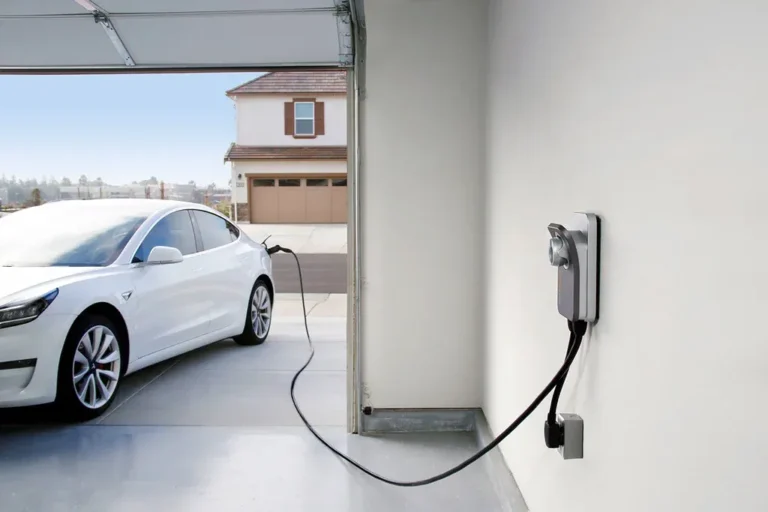
So you’ve made the switch to an electric vehicle, or you’re seriously considering it. It’s one of the best decisions you can make, both for your wallet in the long run and for the environment. But once the excitement of a new EV settles in, most people arrive at the same question pretty quickly: how do I charge this thing at home?
The good news is that home EV charging is simpler than most people expect. The even better news is that once you have a proper home charging setup in place, you’ll wonder how you ever managed without it. No more detours to petrol stations, no more standing around at public chargers. You just plug in when you get home and wake up to a full battery every morning.
But before you get to that point, there are a few important things to understand. As a licensed electrician with over 20 years of experience and a specialist in EV charger installations across Sydney, I’ve helped a lot of homeowners navigate this process. This guide covers everything you need to know before making a decision.
Understanding Your Charging Options
Before anything else, it helps to understand that not all home EV charging is the same. There are essentially two levels of charging available to homeowners.
Level 1 Charging (Standard Wall Outlet)
This is the most basic option. You plug your EV into a standard 10-amp household power outlet using the cable that came with your vehicle. No special equipment required.
The downside is that it’s slow. Very slow. Most EVs will only gain around 10 to 15 kilometres of range per hour using a standard outlet. If you’re driving 50 or 60 kilometres a day, you’ll need to be plugged in for several hours just to break even. For some drivers with short commutes, this might be acceptable as a temporary solution, but for most people, it quickly becomes impractical.
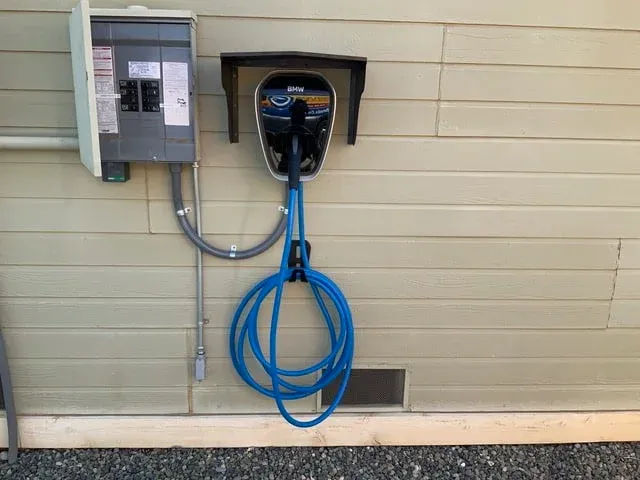
Level 2 Charging (Dedicated Home EV Charger)
This is what most homeowners should be aiming for. A dedicated EV charger (sometimes called an Electric Vehicle Supply Equipment, or EVSE) is a purpose-built unit that delivers significantly more power than a standard outlet. Depending on the unit and your home’s electrical setup, you can expect to add anywhere from 25 to 100 kilometres of range per hour of charging.
In practical terms, most homeowners with a Level 2 charger can fully charge their vehicle overnight, even starting from a low battery. It’s a completely different experience from Level 1 charging and is well worth the investment.
What You Need to Consider Before Installing a Home EV Charger
Installing a home EV charger isn’t quite as simple as mounting a box on the wall and plugging it in. There are several factors your electrician will need to assess before the installation can go ahead. Here’s what to be aware of.
Your Switchboard
Your switchboard is the heart of your home’s electrical system, and it’s the first thing a good electrician will look at when assessing your property for an EV charger installation. Older switchboards, particularly those with ceramic fuses rather than modern circuit breakers and safety switches, may not be suitable to support a dedicated EV charger circuit without an upgrade first.
Even if your switchboard is relatively modern, your electrician will need to check whether there is sufficient capacity to add a new dedicated circuit for the charger. If your switchboard is already running close to its limits, an upgrade may be required before installation can proceed.
This isn’t something to cut corners on. A switchboard that isn’t up to the task is a safety risk, plain and simple.
Single Phase vs Three Phase Power
Most Australian homes are connected to single-phase power, which is perfectly adequate for the majority of home EV chargers. A good quality single-phase charger will comfortably handle the overnight charging needs of most EV owners.
Some homes, particularly newer builds or properties that have had upgrades done previously, are connected to three-phase power. Three-phase allows for faster charging speeds and gives you more flexibility in terms of which charger models are available to you.
If you’re unsure what type of power your home has, your electrician can tell you straight away. If you only have single-phase power but want the option of three-phase in the future, it’s worth having a conversation with your electrician about what that upgrade would involve.
Where to Install the Charger
Most homeowners install their EV charger in the garage or on an exterior wall near where they park their car. Sounds straightforward, but there are a few things to think about.
How far is your parking spot from your switchboard? The longer the cable run required, the more the installation will cost. It’s worth thinking about this before you commit to a particular location.
Is the area sheltered? While most quality EV chargers are rated for outdoor use, a sheltered location will extend the life of the unit and reduce the chance of any issues down the track.
- Home EV Charger Installation Guide: Everything You Need to Know
- Encoder in Robots: Types, Working Principle and Applications
Is there room to manoeuvre comfortably? You’d be surprised how many people install a charger in a spot that makes it awkward to actually connect the cable to their car. Think about how you park and where the charging port is on your vehicle before settling on a location.
Your Daily Driving Habits
The right charger for you depends largely on how you use your car. If you’re driving 30 to 40 kilometres a day, a standard 7kW single-phase charger will be more than adequate. If you’re covering longer distances regularly, or if you have multiple EVs in the household, you might want to consider a higher-powered unit or even a dual charger setup.
Being honest with your electrician about how you use your car will help them recommend the right solution rather than just the most expensive one.
Choosing the Right EV Charger
There are a lot of EV charger brands and models on the market right now, and it can be overwhelming trying to figure out which one is right for you. Here are a few things to look for.
Build Quality and Warranty
An EV charger is an investment, and you want it to last. Look for a unit from a reputable brand that offers a solid warranty, ideally a minimum of two to three years. Be cautious of cheap, no-name units. A charger that fails after 18 months is a false economy.
Smart Charging Features
Many modern EV chargers come with smart features that allow you to schedule charging during off-peak electricity hours, monitor your energy usage, and control the charger remotely via a smartphone app. If you’re on a time-of-use electricity tariff, being able to schedule charging for overnight off-peak periods can result in meaningful savings on your power bill over time.
Compatibility with Your Vehicle
Most EV chargers in Australia use a Type 2 connector, which is compatible with the vast majority of electric vehicles sold here. That said, it’s worth confirming compatibility with your specific vehicle before purchasing a charger. Your electrician or the charger supplier should be able to advise you on this.
Australian Standards Compliance
This one is non-negotiable. Any EV charger installed in your home must comply with Australian standards and be installed by a licensed electrician. Don’t be tempted by offers to have a charger installed by someone who isn’t qualified. Beyond the safety risks, an installation that doesn’t meet Australian standards could affect your home insurance and create issues down the track if you ever sell the property.
The Installation Process: What to Expect
Once you’ve chosen your charger and engaged a licensed local electrician, here’s roughly what the installation process looks like.
Initial Assessment
A good electrician will visit your property before the installation to assess your switchboard, check your power supply, and confirm the best location for the charger. This is an important step, and any electrician who skips it should raise a red flag.
Switchboard Work (If Required)
If your switchboard needs an upgrade before the installation can proceed, this will typically be done on the same day as the charger installation or scheduled as a separate job beforehand. Your electrician will talk you through what’s involved and give you a clear quote.
Cable Run and Mounting
Your electrician will run a dedicated cable from your switchboard to the charger location and mount the unit securely to the wall. The cable run will be neatly installed and protected, either through conduit or concealed within the wall, depending on your preference and the layout of your property.
- The Complete Solar Energy Guide: Design, and Installation
- 100 Watt Inverter: Everything You Need to Know
Testing and Sign-Off
Once the charger is installed, your electrician will test the unit to make sure everything is working correctly and issue a certificate of compliance for the electrical work. Keep this document somewhere safe, as you may need it for insurance purposes or when selling your home.
Showing You How It Works
A good electrician won’t just walk out the door once the charger is on the wall. They’ll take the time to show you how to use it, explain any smart features, and answer any questions you have. Don’t be shy about asking.
A Word on Costs
The cost of a home EV charger installation in Sydney will vary depending on a few factors, including the charger you choose, the complexity of the installation, and whether any switchboard work is required.
As a rough guide, most straightforward installations will cost somewhere in the range of $1,400 to $3,000 all up, including the charger unit and installation labour. If a switchboard upgrade is required, this will add to the cost.
It’s worth getting two or three quotes and making sure each quote clearly outlines what is and isn’t included. The cheapest quote isn’t always the best value, particularly if it doesn’t include things like a compliance certificate or a proper site assessment.
Final Thoughts
Getting a home EV charger installed is one of the most practical upgrades you can make as an EV owner. Done properly, it will make your day-to-day life significantly easier and save you money on public charging over time, find out more here.
The key is to take it seriously, choose a quality unit, and have it installed by a licensed electrician who knows what they’re doing. Cut corners on any of those things, and you’re creating problems for yourself down the track.
If you have questions about EV charger installation at your Sydney home, the team at Plateau Electrical is always happy to help. We’ve installed chargers right across the northern beaches and northern suburbs, and we’re very familiar with the common questions and challenges that come up along the way.