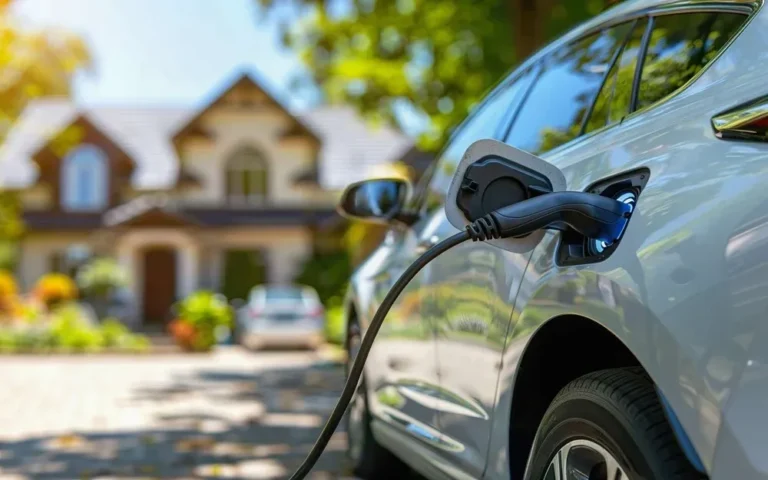
Electric vehicles are becoming a more common sight on American roads, and it is easy to see why. They are quiet, efficient, and often cheaper to run than gas-powered cars. For many drivers, switching to an EV feels like a practical step toward lower fuel costs and a cleaner way to travel. However, owning one is not the same as owning a traditional vehicle. Before making the switch, it helps to plan what charging an EV at home and at EV charging stations means to you.
Charging Takes Planning
One of the biggest changes for new EV owners is thinking about charging instead of refueling. With a gas car, filling up usually takes a few minutes. With an EV, charging can take longer depending on the charger type and battery size.
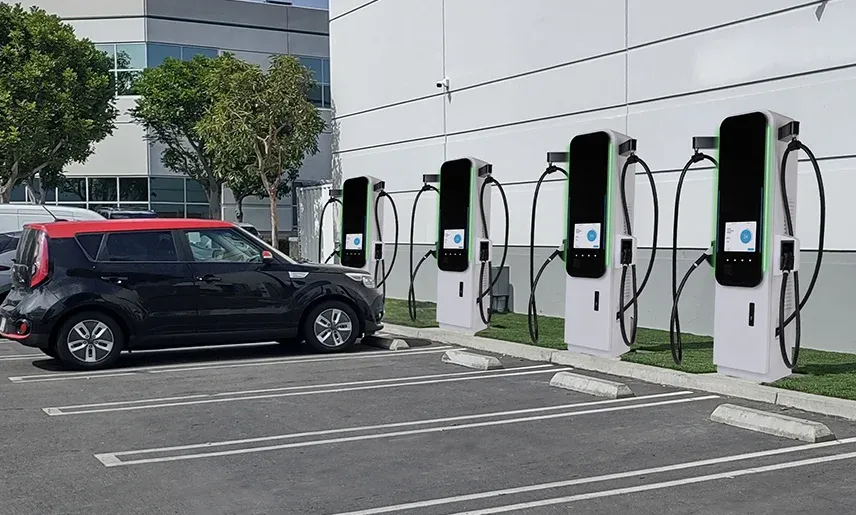
Home charging is often the most convenient option. Many owners install a Level 2 charger, which can fully charge most vehicles overnight. If you live in an apartment or do not have a driveway, you may need to rely more on public charging stations. Before buying an EV, check how many chargers are available near your home, workplace, and regular routes.
Range Matters, But So Does Your Routine
Many modern electric vehicles offer enough range for everyday driving, but it is still worth thinking about your typical mileage. If you mostly commute, run errands, and take short trips, range anxiety may not be a big issue. If you regularly drive long distances, you will need to plan charging stops ahead of time.
Weather can also affect range. Cold temperatures, heavy use of heating or air conditioning, and high-speed highway driving can reduce battery efficiency. Understanding how your routine affects range will help you choose the right model.
- Charging EV: A Beginner’s Guide to Electric Vehicle Ownership
- 3D Scanning in Industrial Inspection and Engineering Applications
Costs Go Beyond The Purchase Price
EVs can be more expensive upfront, although tax credits, incentives, and lower running costs may help balance this out. Charging at home is usually cheaper than buying gas, and electric vehicles typically need less maintenance because they have fewer moving parts.
That said, insurance, charger installation, tire replacement, and battery-related repairs should all be considered. It is smart to compare the total cost of ownership rather than focusing only on the sticker price.
Moving Or Relocating With An EV
If you are buying an EV before a move or relocating to a city with different charging access, logistics matter. For example, drivers arranging New York car shipping may also want to check charging availability at their destination before the vehicle arrives. This is especially useful if you are moving to an apartment, starting a new job, or adjusting to a new commute.
Battery Health Is Important
An EV battery is one of the most valuable parts of the car. Most manufacturers offer long battery warranties, but good habits can help extend battery life. Avoid letting the charge stay extremely low for long periods, and try not to rely only on fast charging unless necessary. Many EV owners keep the battery between 20% and 80% for regular use.
Test Drive Before You Decide
Electric vehicles feel different to drive. They offer instant acceleration, regenerative braking, and a quieter ride. A test drive can help you decide whether you enjoy the feel of an EV and whether the technology suits your lifestyle.
Owning an electric vehicle can be a great decision, but it works best when you plan. By thinking about charging, range, costs, battery care, and your daily routine, you can choose an EV that fits your life rather than complicating it.