The Traction Control Sensor is a critical part of modern vehicle safety systems. It helps prevent wheel slip during acceleration by monitoring wheel speed and sending data to the vehicle’s control unit. Whether you are driving on wet roads, loose gravel, or icy surfaces, this sensor plays a key role in maintaining stability and control. Understanding how it works, where it is located, and how to detect faults can help drivers and technicians avoid serious performance and safety issues.
What Is a Traction Control Sensor
A traction control sensor measures wheel speed and sends continuous feedback to the traction control module. This information allows the system to detect when one or more wheels are spinning faster than others. When wheel slip is detected, the system reduces engine power or applies braking force to restore traction.
This sensor often works closely with the anti-lock braking system and electronic stability control. Together, these systems ensure smoother acceleration and safer handling under challenging driving conditions.
Working and Construction of Traction Control Sensor
Understanding the working and construction of the sensor helps explain why it is so reliable and precise.
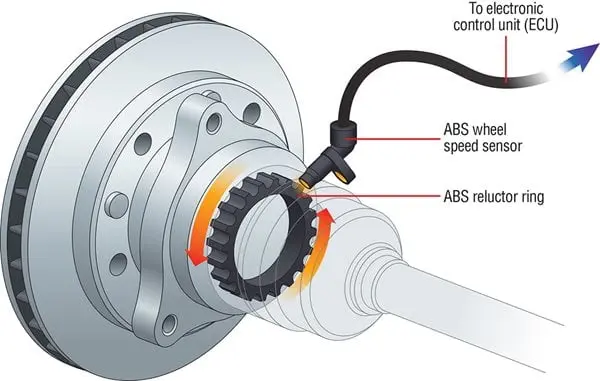
The sensor is typically built using magnetic or Hall-effect technology. As the wheel rotates, a toothed ring or magnetic encoder passes by the sensor. Each passing tooth generates a signal that represents wheel speed. These signals are converted into electrical pulses and sent to the vehicle’s control unit.
Internally, the sensor consists of:
- A magnetic core or Hall-effect element
- A signal-processing circuit
- A protective casing designed to withstand heat, moisture, and vibration
In many vehicles, the TCS sensor operates using principles similar to an incremental encoder, where motion is detected by counting pulses rather than storing absolute position.
How the Traction Control Sensor Works in Real Driving
When a vehicle starts accelerating, the sensor continuously compares wheel speeds. If one wheel spins faster than the others, the traction control system reacts instantly. It may reduce throttle input, apply brake pressure to the slipping wheel, or both.
This process happens within milliseconds and is usually unnoticed by the driver. The result is improved grip, reduced tire wear, and better vehicle stability, especially on slippery roads.
Where Is the Sensor Located
A common question is where the traction control sensor is located. In most vehicles, the sensor is mounted near each wheel hub or integrated into the wheel bearing assembly. Some designs place it near the axle or transmission, depending on the drivetrain layout.
Typical locations include:
- Near the wheel hub assembly
- Inside the wheel bearing housing
- Along the axle shaft in rear-wheel-drive vehicles
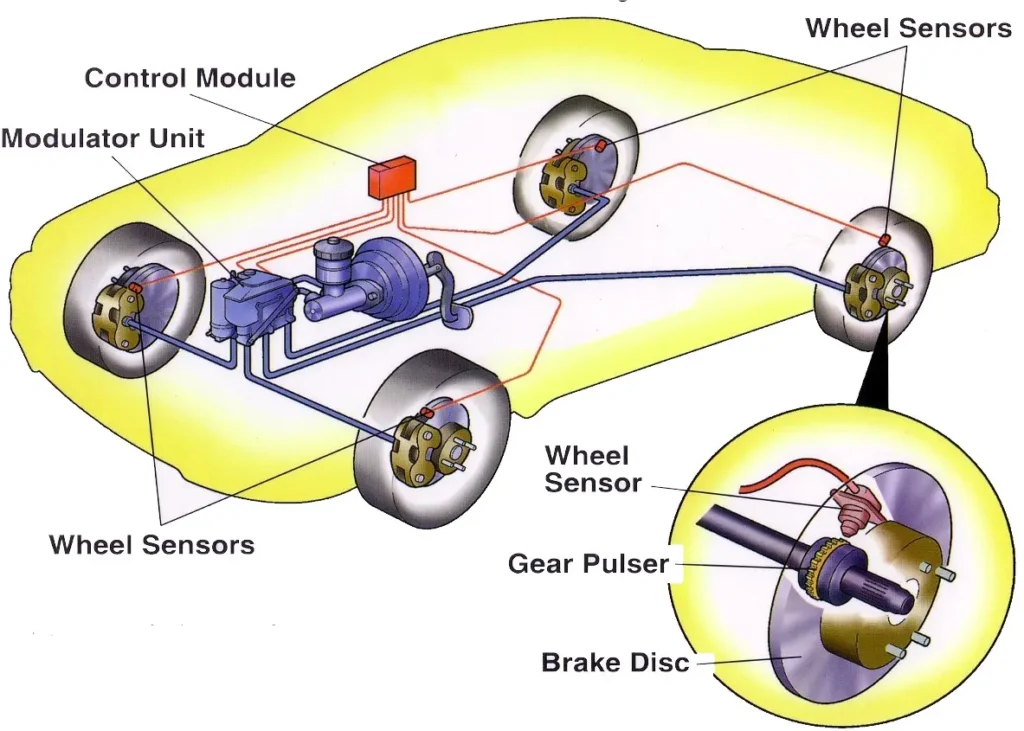
Because the sensor is exposed to dirt, water, and road debris, it is designed with sealed housing for protection. However, its location also makes it vulnerable to physical damage.
How to Tell If the Sensor Is Bad?
Knowing how to tell if the sensor is bad can prevent costly repairs and unsafe driving conditions. A faulty TCS often shows clear warning signs.
Common symptoms include:
- Traction control warning light on the dashboard
- ABS warning light appears at the same time
- Loss of traction control functionality
- Irregular braking behavior
- Reduced engine power during acceleration
In some cases, the vehicle may enter a limited performance mode to protect other systems. Diagnostic tools can confirm sensor failure by reading fault codes related to wheel speed signals.
Causes of TCS Failure
Several factors can cause sensor malfunction over time. The most common include:
- Dirt or metal debris buildup on the sensor tip
- Damaged wiring or loose connectors
- Corrosion due to moisture exposure
- Physical damage from road impacts
- Wear of the encoder ring or bearing assembly
Regular inspection during brake or suspension service can help catch early signs of failure.
Repair or Replacement Considerations
In many cases, cleaning the sensor and checking the wiring may restore proper function. However, if the sensor itself is damaged or the internal electronics fail, replacement is usually required.
When replacing a traction control sensor:
- Use manufacturer-recommended parts
- Ensure proper alignment during installation
- Clear fault codes after replacement
- Test drive the vehicle to confirm normal operation
Replacing a faulty sensor restores safety systems and improves overall driving confidence.
Importance of Traction Control Sensor in Vehicle Safety
The traction control sensor is more than just a monitoring device. It actively contributes to accident prevention by helping maintain vehicle stability. In modern vehicles, it works alongside braking and steering systems to deliver a safer driving experience.
Without accurate sensor feedback, traction control systems cannot function correctly. This can increase the risk of skidding, especially in poor road conditions.
Final Thoughts
The Traction Control Sensor is a small but powerful component that plays a major role in vehicle safety and performance. By understanding its working, construction, location, and failure symptoms, drivers and technicians can make informed maintenance decisions. Whether it operates using magnetic sensing or encoder-based principles, its role in preventing wheel slip is essential. Keeping this sensor in good condition ensures better traction, smoother handling, and safer journeys.
FAQs
What does a traction control sensor do?
It monitors wheel speed and helps prevent wheel slip by controlling engine power and braking force.
Where is the traction control sensor located?
It is usually located near the wheel hub, wheel bearing, or axle, depending on vehicle design.
How do you know if a traction control sensor is bad?
Warning lights, loss of traction control, and diagnostic trouble codes are common indicators.