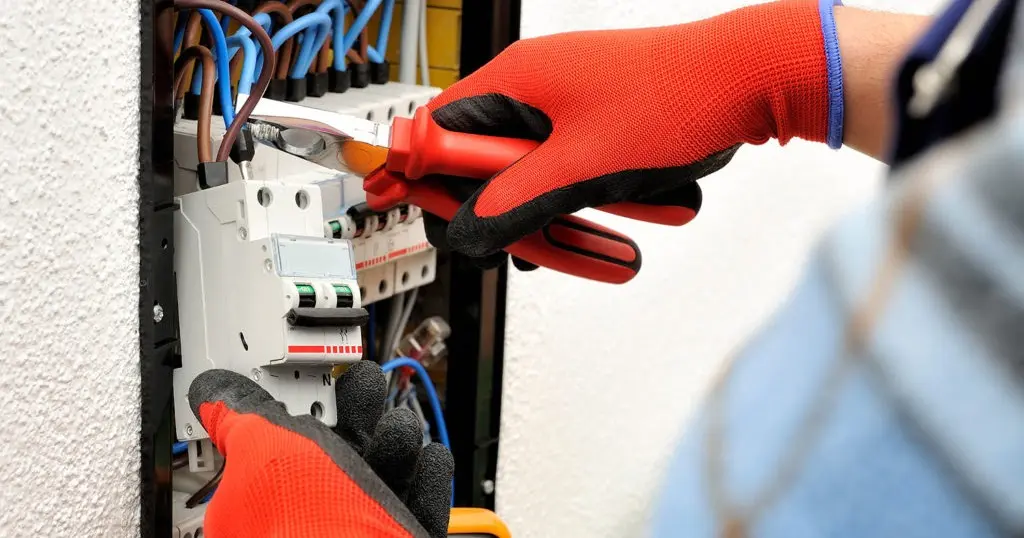
If you are starting a career in electrical work or simply want to check your understanding of fundamental electrical concepts, a basic electrician test is a great place to begin. Electricity is an essential part of modern life, and electricians play a critical role in installing, maintaining, and repairing electrical systems. Before working with electrical systems, it is important to understand the core principles that ensure safety and efficiency. This basic electrician test is designed to help beginners evaluate their knowledge of key electrical topics.
A basic electrician test typically focuses on the most important principles every beginner should know. These include electrical safety, voltage, current, resistance, circuits, and the proper use of electrical tools. Learning these fundamentals helps aspiring electricians build a strong foundation before moving on to more advanced electrical training.
One of the most important topics covered in a basic electrician test is electrical safety. Electricity can be dangerous if handled incorrectly, so understanding safety procedures is essential. Basic safety knowledge includes turning off power before working on a circuit, using insulated tools, wearing protective equipment, and ensuring proper grounding. These safety practices help prevent electrical shocks, short circuits, and equipment damage.
Another important area included in a basic electrician test is the understanding of electrical measurements. Electricians must know how to measure voltage, current, and resistance using tools such as multimeters, voltmeters, and ammeters. Voltage refers to the electrical pressure that pushes current through a circuit, while current measures the flow of electricity. Resistance refers to how much a material opposes the flow of electrical current.
A basic electrician test also introduces learners to different types of circuits. The two most common types are series circuits and parallel circuits. In a series circuit, electrical components are connected in a single path, so current flows through each component in turn. In a parallel circuit, components are connected across multiple paths, allowing electricity to flow through several branches at the same time. Understanding these circuit types is essential for diagnosing electrical problems and designing safe electrical systems.
In addition to theory, a basic electrician test often includes questions about common electrician tools. Tools such as wire strippers, voltage testers, screwdrivers, pliers, and multimeters are essential for everyday electrical tasks. Knowing how and when to use these tools safely is a key skill for anyone entering the electrical trade.
Taking a basic electrician test is useful not only for students and apprentices but also for homeowners and DIY enthusiasts who want to improve their understanding of household electrical systems. It provides a simple way to assess knowledge and identify areas that may require further learning.
For those interested in learning more about electrical standards and safety practices, organizations such as the National Fire Protection Association provide valuable resources and guidelines related to electrical safety and codes.
Whether you are preparing for an electrician training program or simply testing your knowledge, this basic electrician test can help reinforce essential electrical concepts. Regular practice and learning will help you build confidence and develop the skills required to work safely and effectively with electrical systems.